Planning a memorable celebration involves more than choosing a venue, ordering food, and sending invitations. The most engaging events reflect the host’s personality, give guests opportunities to connect, and offer experiences they might not encounter at an ordinary gathering. Local businesses and artists can help bring these elements together by contributing distinctive spaces, specialized knowledge, entertainment, and thoughtful details.
Whether organizing a milestone birthday, company anniversary, creative showcase, reunion, or community gathering, hosts benefit from thinking beyond traditional event packages. A local partnership can introduce guests to new interests while supporting businesses and creators in the surrounding community. The key is selecting collaborators whose offerings fit the occasion rather than adding attractions simply because they are available.
Successful planning also requires practical preparation. Budgets, schedules, accessibility, vendor agreements, safety measures, and backup arrangements all influence the guest experience. With a clear vision and well-coordinated partnerships, hosts can create celebrations that feel personal, run smoothly, and leave guests with meaningful memories.
Choose a Distinctive Venue That Fits Your Celebration
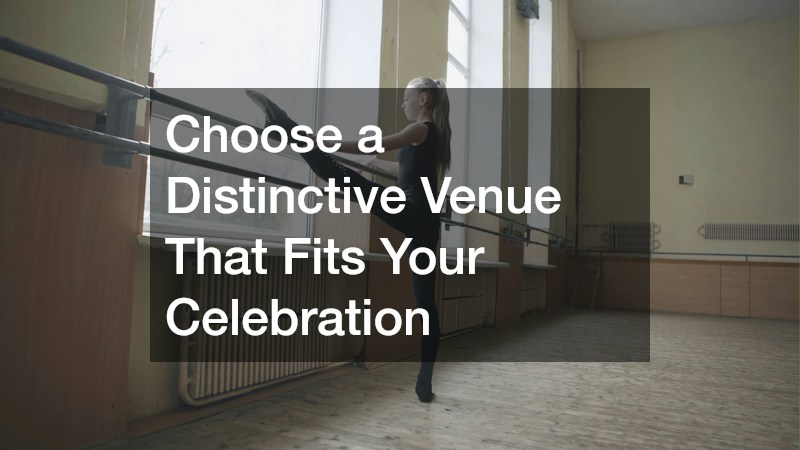
The venue establishes the atmosphere and influences nearly every planning decision. Consider the occasion, guest count, planned activities, and amount of interaction you want to encourage. An intimate gathering may benefit from flexible seating, while a creative showcase may need room for displays and demonstrations.
For smaller celebrations, sunrooms can provide natural light and an inviting connection to outdoor surroundings. They may suit daytime gatherings and photographs, but hosts should assess practical limitations before booking.
During a venue visit, evaluate:
- Capacity and layout: Confirm that guests, tables, and activity areas fit comfortably.
- Comfort: Ask about temperature control, ventilation, lighting, and restrooms.
- Accessibility: Check entrances, pathways, and seating options.
- Rental conditions: Clarify setup time, cleanup duties, decoration rules, and cancellation terms.
Consider weather contingencies and privacy. Compare the full cost, including equipment and staffing, before committing. A beautiful setting will not compensate for uncomfortable conditions or unclear rental requirements.
Add Interactive Experiences That Reflect Local Culture
An interactive activity gives guests something to discover together and makes a celebration more engaging than a schedule filled exclusively with food and conversation. Choose experiences that connect with the occasion or guests’ interests without requiring everyone to participate.
For a collector-themed gathering, coin dealers might contribute a historical display, a discussion about collecting, or a demonstration explaining how coins are examined. This could suit a history enthusiast’s birthday or a community event. Clarify whether the activity is educational, promotional, or intended to support sales.
Before arranging the experience, discuss:
- Presentation format: Decide whether guests will browse a display, attend a talk, or ask questions.
- Display security: Establish who supervises valuable items and whether guests may handle them.
- Commercial arrangements: Clarify prices, appraisals, and potential sales.
- Guest accessibility: Make the activity understandable to newcomers.
Confirm setup requirements and responsibility for valuable items in writing. A well-organized experience can introduce guests to an unfamiliar interest while creating a distinctive local connection.
Build a Menu That Supports the Event’s Theme and Schedule
Food influences the pace, comfort, and atmosphere of a celebration. Choose a menu that reflects the occasion, accommodates guests’ needs, and fits the schedule. First decide whether the event calls for a formal meal, buffet, light refreshments, or food served throughout the program.
Working with corporate caterers can help with company anniversaries, networking receptions, creative showcases, and larger private celebrations. Explain the event’s purpose so the menu and service style complement the experience.
Confirm these details:
- Menu and dietary needs: Ask about allergies, ingredient information, and alternatives.
- Service style: Compare plated meals, buffets, and passed appetizers.
- Staffing and equipment: Confirm who supplies serving items, tables, and linens.
- Timing: Coordinate food service with speeches or performances.
- Final costs: Review deposits, guest-count deadlines, and cancellation terms.
Request a written proposal listing the menu, quantities, staffing, and responsibilities. Clarify how changes will be handled and who will communicate with catering staff during the event.
Plan Group Activities That Encourage Guests to Connect

Celebrations often bring together people who know one another and guests meeting for the first time. Shared activities give everyone a conversation starter. Consider the group’s interests, preferred atmosphere, age range, and willingness to participate.
For reunions, team celebrations, or gatherings centered on sports, local sports bars may offer group reservations, screens, and food options. Confirm that the environment suits guests who prefer conversation to loud entertainment.
Before reserving a venue, ask about:
- Group seating: Confirm capacity, deposits, and minimum spending.
- Entertainment: Check what games will be shown and whether sound levels can be adjusted.
- Food and beverages: Review menu options and nonalcoholic choices.
- Additional activities: Ask whether trivia or themed decorations are permitted.
- Transportation: Plan safe travel home, especially when alcohol is served.
Share accurate details about the setting and schedule. If guests have different interests, provide opportunities for quieter conversation or alternative activities. The aim is to make participation comfortable without requiring everyone to enjoy the same experience.
Explore Waterfront Settings for Memorable Gatherings
A waterfront celebration can create a distinctive atmosphere for birthdays, reunions, and anniversaries. Scenery and boating activities may appeal to guests who enjoy outdoor recreation. However, hosts should distinguish between finding a boating-related business and securing an event venue or passenger experience.
Local boat sales businesses may explain available vessels or connect organizers with relevant contacts. Do not assume a sales business offers private events or passenger trips. If guests will be on the water, confirm arrangements directly with an appropriately authorized operator.
Consider these priorities:
- Guest capacity: Verify the permitted passenger limit and available space.
- Safety: Ask about safety equipment and operator qualifications.
- Weather contingencies: Establish cancellation and alternative-location arrangements.
- Accessibility: Discuss boarding access and mobility requirements.
- Costs and timing: Confirm fees, departure times, and duration.
If a boat activity is impractical, a waterfront restaurant or event space may provide a similar atmosphere with fewer logistical demands. Put responsibilities and cancellation terms in writing, and share relevant details with guests before the event.
Work With Artists to Create a Cohesive Visual Theme
Art can transform a standard venue into an experience with a recognizable identity. A display, live demonstration, or artist-led discussion gives guests something to appreciate and discuss. The visual theme should complement the event rather than compete with other activities.
Incorporating contemporary painting can suit creative receptions, milestone celebrations, or gallery-inspired parties. Hosts might invite an artist to display selected works, discuss the creative process, or produce a piece during the gathering.
To organize the collaboration:
- Select an appropriate style: Choose work that suits the occasion and audience.
- Agree on fees: Clarify payment, materials, transportation, and installation costs.
- Protect the artwork: Discuss lighting, security, and restrictions on touching pieces.
- Coordinate the schedule: Allow time for setup and guest questions.
- Confirm permissions: Establish whether artwork may appear in event photographs or promotions.
Give the artist a clear briefing about the audience and expected contribution. If guests can purchase work, clarify prices and transaction arrangements. Respecting creative rights and professional requirements supports a productive collaboration.
Choose Meaningful Gifts That Support Local Creators
Thoughtful gifts can extend the celebration beyond the event. Instead of generic favors, consider items that reflect the occasion, serve a practical purpose, or introduce guests to local makers. Choices should suit the audience and budget without creating unnecessary waste.
Local gift shops may offer handmade products, art prints, specialty foods, stationery, or keepsakes. Some can arrange customized packaging or source items from regional creators. Contact suppliers early when products need personalization or larger orders.
Organize gifts by:
- Setting a budget: Include items, packaging, delivery, and customization.
- Matching the occasion: Choose products that reflect the event and guests’ interests.
- Checking timing: Confirm availability, production schedules, and delivery dates.
- Personalizing thoughtfully: Add a short note or information about the maker.
- Preparing alternatives: Identify a substitute if an item becomes unavailable.
Ask about minimum orders, return policies, and procedures for damaged or delayed items. Finalize quantities once the guest count is reasonably settled. Thoughtful presentation can make modest gifts feel special while supporting local businesses.
Set Clear Boundaries When Events Involve Specialized Wellness Services
Events involving health, wellness, or regulated services require careful planning because professional qualifications, privacy, advertising restrictions, and applicable laws may affect what can be offered. Decide whether the subject suits the audience and occasion before inviting a provider.
For an event focused on medical cannabis education, marijuana doctors may be potential speakers if their participation is lawful and professionally appropriate. The event should distinguish general education from private medical consultations and comply with legal requirements and venue policies.
Before confirming participation:
- Verify qualifications: Check relevant credentials and professional scope.
- Review legal requirements: Confirm applicable rules, age restrictions, and venue policies.
- Set privacy expectations: Keep personal medical questions confidential.
- Review promotions: Avoid unsupported medical claims or guaranteed outcomes.
- Keep participation voluntary: Do not pressure guests to disclose health information.
Consider whether a general presentation would be more suitable than individual consultations. Agree on responsibilities, presentation length, and procedures for questions. Hosts should avoid collecting sensitive information unnecessarily and make clear that attending an educational event does not establish an individual’s medical suitability for any treatment.
Invite Professional Guests Who Add Value to the Occasion
Some celebrations also serve a professional purpose. A company anniversary or networking event may bring together clients, colleagues, and potential collaborators. A knowledgeable speaker can give attendees a useful reason to connect, provided the presentation fits the event rather than turning it into a sales meeting.
An executive search firm could contribute a speaker to a gathering focused on leadership, professional development, or workplace trends. Explain the audience, topic, and expected contribution. A recruitment discussion may suit a business reception, while a social celebration might benefit from a brief introduction followed by informal conversation.
Improve the experience by:
- Defining the purpose: Decide whether the speaker will educate or facilitate discussion.
- Choosing a relevant topic: Match the subject to attendees’ interests.
- Providing a briefing: Share the schedule, audience background, and equipment needs.
- Making introductions: Help guests connect without requiring participation.
- Agreeing on promotion: Confirm how the speaker and organization may be identified.
Set expectations about fees, travel, cancellations, and presentation content before announcing the guest. A focused contribution can enrich the event and help guests leave with useful ideas or professional connections.
Protect the Event With a Practical Risk Management Plan
Creative details make a celebration memorable, but practical planning helps it run smoothly. Potential problems include vendor cancellations, property damage, guest injuries, and severe weather. Appropriate precautions depend on the venue, attendance, activities, and services involved.
When reviewing event planner insurance, hosts and professional organizers should discuss the event’s circumstances with a qualified insurance professional. Coverage varies, and a policy may not cover every activity or loss. Venues and vendors may also have insurance requirements.
Build risk management into planning:
- Review contracts: Confirm responsibilities, payment terms, cancellations, and liability provisions.
- Check coverage requirements: Ask what documentation the venue and vendors require.
- Prepare contingencies: Identify alternatives for bad weather, delays, and cancellations.
- Plan for emergencies: Establish contacts, exit routes, and incident procedures.
- Assign responsibilities: Identify who coordinates vendors and schedule changes.
Keep contacts, agreements, and schedules accessible to event managers. Confirm arrangements shortly before the celebration and communicate instructions to staff or volunteers. Do not assume a vendor’s insurance automatically protects the organizer. Reviewing responsibilities in advance helps reduce confusion and supports a safer event.
Unique celebrations come together when the setting, activities, food, and personal details support a clear vision. Local businesses and artists can help hosts create experiences connected to the community while giving guests opportunities to discover new interests. The strongest collaborations contribute something useful rather than adding complexity without purpose.
Begin by identifying the occasion, audience, budget, and desired atmosphere. Approach suitable partners with a specific proposal, agree on responsibilities, and confirm costs, schedules, permissions, and practical requirements in writing. Allow enough time for vendors to prepare and communicate important details to guests. After the event, ask guests what they enjoyed and discuss the process with participating businesses. Their feedback can help improve future celebrations and build lasting relationships with reliable local partners.
Memorable celebrations balance creativity with preparation. When every contributor understands the plan and the guest experience remains the priority, even a modest gathering can feel distinctive, welcoming, and thoughtfully organized.